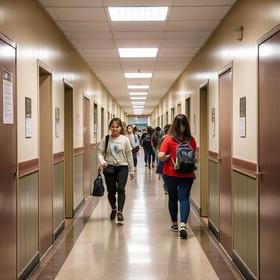
Choosing a School

You’ve decided boarding school may be the best option for your child’s education. Now it’s time to find a school that meets the needs of your family. Determine when your child is ready to attend boarding school, learn why students can benefit from a single-sex education, and get tips on finding data and comparing schools. Discover the benefits of education consultants, explore Quaker schools, and find get expert advice on making an informed decision.

View the most popular articles in Choosing a School:

Religious vs Secular Boarding Schools: How to Choose

Updated
|
Religious vs Secular Boarding Schools: How to Choose
Compare religious vs secular boarding schools, including academics, culture, and student life, to choose the right environment in 2026.

Choosing a boarding school is one of the most consequential decisions families make during a student’s academic journey. Among the many factors to weigh, the distinction between religious vs secular boarding schools stands out as particularly influential. The educational philosophy, campus culture, and daily routines can vary significantly depending on whether a school is faith-based or non-religious.

In 2026, as boarding schools continue to evolve in response to changing societal values, families are increasingly focused on finding environments that align not only with academic goals but also with personal beliefs and lifestyle preferences. This guide offers a comprehensive comparison to help parents and students determine which setting best supports their needs.

Understanding Religious Boarding Schools

Religious boarding schools integrate faith-based principles into their academic and residential life. These schools may be affiliated with specific denominations, such as Catholic, Episcopal, Jewish, or Islamic traditions, or they may take a broader spiritual approach.

Key Characteristics

  • Faith-centered curriculum: Students often take theology or religious studies courses alongside traditional academics.
  • Regular worship or observance: Attendance at services, prayer sessions, or spiritual gatherings may be required or strongly encouraged.
  • Values-based education: Emphasis on moral development, community service, and ethical leadership.
  • Structured environment: Clear expectations around behavior, often rooted in religious teachings.

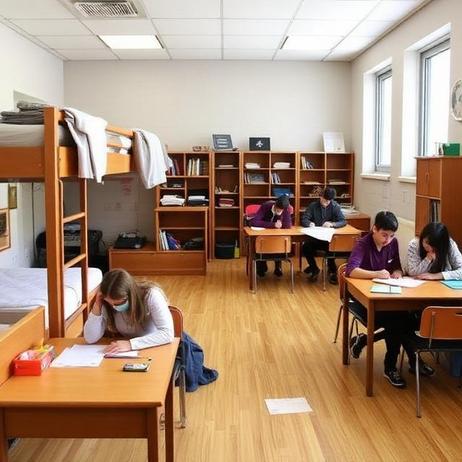
Many religious boarding schools are known for their strong sense of community and shared values. According to the National Center for Education Statistics, private schools, including religious institutions, often report smaller class sizes and higher levels of parental satisfaction

. . .read more

Boarding School Rankings Explained in 2026

Updated
|
Boarding School Rankings Explained in 2026
Learn how boarding school rankings work in 2026, what they measure, and how to evaluate schools beyond rankings for the best fit.

For many families beginning their search, boarding school rankings appear to offer a clear shortcut to identifying the “best” schools. Lists circulate widely online, often emphasizing prestige, college placement rates, or selectivity. Yet rankings alone rarely tell the full story.

Understanding how boarding school rankings are created, what they measure, and what they leave out is essential for making an informed decision. In 2026, as education becomes more personalized and outcomes-driven, evaluating boarding schools requires a deeper lens than rankings alone.

This guide explains how boarding school rankings work and how families can use them effectively, without relying on them too heavily.

What Are Boarding School Rankings?

Boarding school rankings are comparative lists that attempt to evaluate schools based on selected criteria. These lists are typically compiled by media outlets, education platforms, or independent organizations.

Unlike colleges, however, there is no universally accepted ranking system for boarding schools. Each publisher uses its own methodology, which can lead to significantly different results.

Common ranking factors include:

  • Academic performance and rigor
  • College matriculation outcomes
  • Faculty credentials
  • Student-to-teacher ratios
  • Campus facilities
  • Extracurricular offerings
  • Reputation surveys

Because methodologies vary, the same school may appear highly ranked on one list and lower on another.

How Boarding School Rankings Are Calculated

Most ranking systems rely on a combination of quantitative data and subjective inputs. Understanding these components helps clarify what rankings actually reflect.

1. Academic Metrics

Academic strength is often the most heavily weighted factor. This may include:

  • Standardized test scores (SSAT,
. . .read more

Boarding School vs Day School: Key Differences for Families

Updated
|
Boarding School vs Day School: Key Differences for Families
Boarding school vs day school: explore costs, academics, lifestyle, and student outcomes to decide which educational environment fits your child best.

Choosing the right school environment is one of the most important educational decisions families make. For many parents, the question often comes down to boarding school vs day school. Both options can provide excellent academic preparation, supportive communities, and strong extracurricular programs, but they differ significantly in structure, lifestyle, and student experience.

Boarding schools combine academics with residential life, creating a fully immersive environment where students live and learn on campus. Day schools, in contrast, allow students to return home each afternoon, maintaining stronger daily ties with family life.

Understanding these differences can help parents determine which setting best supports their child’s academic goals, social development, and personal growth.

What Is a Boarding School?

A boarding school is a private school where students live on campus during the academic year. Students reside in dormitories supervised by faculty or residential staff, often participating in structured evening study hours, activities, and weekend programs.

These schools serve middle school and high school students, though most boarding schools focus on grades 9–12.

Students benefit from an immersive academic environment where education extends beyond the classroom. Faculty members often serve multiple roles as teachers, advisors, and dorm parents.

Families interested in understanding the broader benefits of this environment may also explore The Pros and Cons of Boarding School.

Typical Characteristics of Boarding Schools

  • Residential dormitories with adult supervision

  • Structured evening study periods

. . .read more

Supporting First-Generation Students in Boarding Schools

Updated
|
Supporting First-Generation Students in Boarding Schools
A 2026 guide to supporting first-generation students in boarding schools, with strategies for access, retention, and family engagement.

Supporting First-Generation Students in Boarding Schools

Independent boarding schools have long served students seeking rigorous academics, leadership development, and college preparation. Increasingly, they are also welcoming a growing population of first-generation students, those whose parents did not complete a four-year college degree.

Supporting First-Generation Students in Boarding Schools is both an equity imperative and a strategic opportunity. When schools intentionally support these students, they strengthen campus culture, expand access, and fulfill their mission of transformative education.

As of 2026, more boarding schools are formalizing programs for first-generation and first-generation-to-college students, reflecting broader national trends in higher education access. According to the National Center for Education Statistics, first-generation students continue to represent a significant portion of the U.S. student population. Independent schools that invest early in support systems position these students, and their institutions, for long-term success.

This article explores why first-generation students choose boarding schools, the unique challenges they may encounter, and practical strategies for schools and families committed to meaningful support.

Who Are First-Generation Students?

A first-generation student is typically defined as a student whose parents or guardians did not complete a four-year college degree. In the boarding school context, this definition often intersects with:

  • Students from lower-income households

  • Students receiving significant financial aid

  • Students from underrepresented racial or ethnic backgrounds

  • International students whose parents

. . .read more

Choosing a School: Comparing Boarding Schools in 2026

Updated
|
Choosing a School: Comparing Boarding Schools in 2026
Learn how to compare boarding schools in 2026 with data-driven strategies, campus visits, and key academic and financial factors.

Choosing a School: Comparing Schools

Choosing a school is one of the most important educational decisions a family will make. With hundreds of boarding schools across the United States and abroad, comparing schools thoughtfully and systematically is essential. In 2026, the landscape is more complex than ever. Schools are expanding global programs, strengthening mental health services, investing in AI-integrated curricula, and rethinking residential life.

This guide outlines a practical, research-based approach to choosing a school and comparing schools effectively, helping families move beyond glossy brochures and rankings toward meaningful, personalized decisions.

Start With Clear Priorities

Before comparing schools, families should clarify their goals. A boarding school experience can vary widely in academic intensity, social culture, size, and philosophy.

Ask these foundational questions:

  • What academic strengths matter most, STEM, humanities, arts, entrepreneurship?

  • Does the student thrive in small, discussion-based classes or larger lecture-style settings?

  • How important are athletics, arts, or leadership opportunities?

  • What type of campus culture feels right, traditional, progressive, faith-based, or globally focused?

  • What level of structure and supervision is appropriate?

Boarding schools are not one-size-fits-all. For guidance on identifying your student’s academic and personal learning style, review Finding the Right Boarding School for Your Child.

Clarifying priorities ensures that when you begin comparing schools, you are evaluating what truly matters rather than

. . .read more

Recent Articles

How to Read a School's Strategic Plan Before You Apply
Learn how to evaluate a boarding school's strategic plan and uncover insights about leadership, finances, priorities, and long-term stability.
The Dorm Parent Interview: 15 Questions Families Should Ask
Discover 15 important questions to ask dorm parents before choosing a boarding school and learn how residential life shapes the student experience.
What Happens if a Boarding School Closes or Merges? Parent Guide
Learn how to prepare if a boarding school closes or merges, including transfer planning, financial considerations, and protecting your child's education.

Featured Schools

Featured Schools

Choosing a School

GETTING STARTED
This section covers the basics of choosing a boarding school. Learn more about educational consultants, explore the dos and don’ts of making the right choice, and learn why you should trust your instincts. When is the right time to attend boarding school? What is a post-graduate year? How can an educational consultant help? Here you’ll find the answers to these questions and more.
NARROWING YOUR LIST
You’ll find helpful tools and resources to aid in narrowing your list down to the best schools that meet your requirements. Determine the benefits of Quaker education, learn how girls benefit from single sex education and get 5 reasons to start your search early.
EVALUATING SCHOOLS
Here we’ll provide you with information on evaluating boarding schools. From comparing schools to identifying language and sports programs, our articles will help you make an informed decision. Learn the best approach to compare schools, get tips on creating a spreadsheet, and determine where to find the data.