Choosing a School

You’ve decided boarding school may be the best option for your child’s education. Now it’s time to find a school that meets the needs of your family. Determine when your child is ready to attend boarding school, learn why students can benefit from a single-sex education, and get tips on finding data and comparing schools. Discover the benefits of education consultants, explore Quaker schools, and find get expert advice on making an informed decision.

View the most popular articles in Choosing a School:

How to Read a School's Strategic Plan Before You Apply

Updated
|
How to Read a School's Strategic Plan Before You Apply
Learn how to evaluate a boarding school's strategic plan and uncover insights about leadership, finances, priorities, and long-term stability.

Most families spend countless hours reviewing boarding school websites, attending admissions events, and comparing academic programs. Yet one of the most revealing documents a school publishes is often overlooked entirely: its strategic plan.

A strategic plan offers a glimpse into how school leaders view the future. It outlines priorities, identifies challenges, and establishes goals that will guide decision-making over the coming years. While admissions materials naturally emphasize strengths and achievements, strategic plans often provide a more candid look at what a school hopes to improve and where it intends to invest resources.

For families evaluating boarding schools, learning how to read a strategic plan can provide valuable insights that extend well beyond rankings, acceptance rates, or college placement statistics.

What Is a Strategic Plan?

A strategic plan is a multi-year roadmap developed by school leadership and trustees to guide institutional growth and decision-making.

Most plans cover a period of three to seven years and address major areas such as academics, residential life, enrollment, finances, campus facilities, diversity initiatives, student wellness, and technology.

Schools create strategic plans to establish priorities, allocate resources, and ensure that decisions align with their long-term mission. Many boarding schools publish these documents publicly, making them an excellent resource for prospective families.

While strategic plans vary in format and detail, they generally answer one fundamental question: Where is the school trying to go, and how does it plan to get there?

Why Families Should Read Strategic Plans

A school's website tells you what it is
. . .read more

Choosing the Right Boarding School Location in 2026

Updated
|
Choosing the Right Boarding School Location in 2026
Learn how to choose the right boarding school location in 2026, including campus setting, travel access, climate, safety, and student fit.

Location is one of the most important, and often underestimated, factors when selecting a boarding school. While academics, extracurricular opportunities, and college placement typically receive the most attention, a school's geographic setting can significantly influence a student's daily experience, social development, travel logistics, and overall success.

In 2026, families are evaluating boarding school locations through a broader lens than ever before. Factors such as airport access, mental health support, climate preferences, internship opportunities, sustainability initiatives, and family travel costs are playing a larger role in the decision-making process.

The right boarding school location is not necessarily the most prestigious or the most convenient. It is the environment where a student is most likely to thrive academically, socially, and personally.

As discussed in Choosing a School: Comparing Boarding Schools in 2026, school fit remains more important than reputation alone. Location is a major part of that fit.

Why Boarding School Location Matters

A boarding school's location affects much more than scenery.

It influences:

  • Travel time and transportation costs
  • Access to cultural and educational resources
  • Weather and outdoor activities
  • Internship and research opportunities
  • Student independence
  • Family visitation frequency
  • Campus culture and lifestyle

Students spend nearly every day of the academic year in their boarding school environment. The surrounding community often becomes an extension of the classroom.

According to the National Association of Independent Schools (NAIS), boarding schools increasingly emphasize experiential learning opportunities connected to their geographic regions, from environmental science programs to partnerships with local businesses and universities.

. . .read more

How Mid-Year Boarding School Transfers Work

Updated
|
How Mid-Year Boarding School Transfers Work
Learn how mid year transfers between boarding schools work, from admissions and transcripts to financial aid, timing, and student adjustment.

Mid-year transfers between boarding schools are possible, but they rarely work like ordinary school changes. Families are not simply choosing a new campus, submitting a form, and arriving the following week. Boarding schools must evaluate academic fit, dormitory space, health records, conduct history, financial aid, course placement, and whether a student can join the community successfully after the school year has begun.

For parents, the process can feel urgent. A student may be struggling socially, seeking stronger academics, relocating because of family circumstances, or leaving a school that no longer feels like the right match. For students, the question is more personal: Can I start over without falling behind?

The answer is yes, in some cases. But a successful mid-year transfer depends on timing, transparency, and realistic expectations.

Why Families Consider Mid-Year Transfers Between Boarding Schools

Families usually explore a mid-year transfer for one of four reasons.

The first is fit. A school may look ideal during the application process, but feel different once a student is living there. Academic pressure, dorm culture, teaching style, athletics, or distance from home can reveal a mismatch.

The second is academic need. A student may want a more advanced program, stronger learning support, different course sequencing, or access to arts, STEM, language, or college counseling options not available at the current school.

The third is student well-being. Homesickness is common, but persistent anxiety, isolation, disciplinary concerns, or health needs may lead families to consider whether another environment would be healthier.

The

. . .read more

Technology Use in Boarding Schools: 2026 Parent Guide

Updated
|
Technology Use in Boarding Schools: 2026 Parent Guide
Explore how boarding schools use technology in 2026, from AI learning tools to screen-time policies, digital wellness, and campus safety.

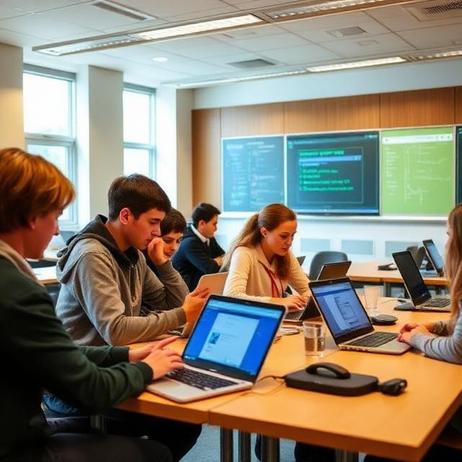
Technology use in boarding schools has changed dramatically over the past decade. In 2026, digital tools are no longer limited to computer labs and classroom projectors. Boarding schools now integrate technology into academics, residential life, student wellness, communication, and campus security.

For families evaluating boarding schools, understanding how schools manage technology is increasingly important. Parents want students to benefit from innovation without becoming overwhelmed by screens or digital distractions. Educators aim to balance academic rigor with responsible technology habits. Students expect connected learning environments that mirror the modern world they will eventually enter in college and the workforce.

Today’s boarding schools are working to strike that balance through thoughtful policies, structured oversight, and intentional digital education.

How Boarding Schools Use Technology Today

Most boarding schools now operate in highly connected learning environments. Campus-wide Wi-Fi, cloud-based coursework, and one-to-one device programs have become standard across many institutions.

Technology use in boarding schools commonly includes:

  • Learning management systems for assignments and grading
  • AI-assisted tutoring and study support
  • Digital textbooks and research databases
  • Virtual collaboration platforms
  • Classroom presentation and multimedia tools
  • Online parent communication portals
  • Campus safety and student monitoring systems

Many schools also integrate technology into arts, engineering, robotics, media production, and entrepreneurship programs.

Families interested in broader technology trends can also explore Technology & Boarding Schools in 2025 and Technology & Screen Time in Boarding Schools.

AI and Personalized Learning in 2026

Artificial intelligence has become one of the most significant developments in education. Boarding schools

. . .read more

How Boarding Schools Prepare Students for College

Updated
|
How Boarding Schools Prepare Students for College
Discover how boarding schools prepare students for college through academic rigor, independence, counseling, and leadership development.

For many families, choosing a boarding school is ultimately about one goal: preparing students for success in college and beyond. While strong academics remain central, modern boarding schools increasingly emphasize independence, resilience, leadership, and life skills alongside classroom achievement.

In 2026, colleges are evaluating applicants more holistically than ever. Admissions offices increasingly look for students who can manage rigorous workloads, contribute meaningfully to campus communities, and demonstrate maturity beyond standardized test scores. Boarding schools are uniquely positioned to cultivate those qualities because students live and learn within an immersive educational environment.

From structured residential life to advanced coursework and personalized college counseling, boarding schools prepare students for college in ways that extend well beyond academics.

Why Boarding Schools Are Designed for College Preparation

Most boarding schools operate with a college-preparatory mission. Academic schedules, advising systems, extracurricular opportunities, and residential programs are intentionally structured to mirror many aspects of university life.

Unlike traditional day schools, boarding schools provide continuous opportunities for students to practice:

  • Time management
  • Independent decision-making
  • Collaboration with peers
  • Self-advocacy
  • Academic discipline
  • Leadership development

These skills become increasingly important as colleges expect incoming students to navigate both academic and personal responsibilities independently.

According to the National Association of Independent Schools, independent schools continue to prioritize student wellness, leadership, and real-world readiness alongside academic rigor.

Academic Rigor That Mirrors College Expectations

One of the clearest ways boarding schools prepare students for college is through challenging academic programs designed to replicate university-level expectations.

Many boarding schools

. . .read more

Recent Articles

How to Read a School's Strategic Plan Before You Apply
Learn how to evaluate a boarding school's strategic plan and uncover insights about leadership, finances, priorities, and long-term stability.
The Dorm Parent Interview: 15 Questions Families Should Ask
Discover 15 important questions to ask dorm parents before choosing a boarding school and learn how residential life shapes the student experience.
What Happens if a Boarding School Closes or Merges? Parent Guide
Learn how to prepare if a boarding school closes or merges, including transfer planning, financial considerations, and protecting your child's education.

Featured Schools

Featured Schools

Choosing a School

GETTING STARTED
This section covers the basics of choosing a boarding school. Learn more about educational consultants, explore the dos and don’ts of making the right choice, and learn why you should trust your instincts. When is the right time to attend boarding school? What is a post-graduate year? How can an educational consultant help? Here you’ll find the answers to these questions and more.
NARROWING YOUR LIST
You’ll find helpful tools and resources to aid in narrowing your list down to the best schools that meet your requirements. Determine the benefits of Quaker education, learn how girls benefit from single sex education and get 5 reasons to start your search early.
EVALUATING SCHOOLS
Here we’ll provide you with information on evaluating boarding schools. From comparing schools to identifying language and sports programs, our articles will help you make an informed decision. Learn the best approach to compare schools, get tips on creating a spreadsheet, and determine where to find the data.