School Life

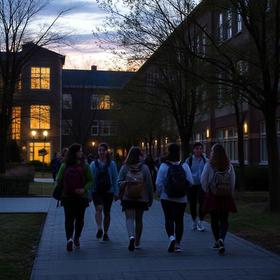
For boarding school students, and many teachers, the campus is home. Explore dormitory living, get expert advice on learning and living away from home and learn more about what can be done to help your child transition to and succeed in boarding school. Find resources for parents, teachers and students. We’ll cover sustainability, boarding school jargon, and corporal punishment. Read first-hand accounts from parents of boarding school students, find graduation gift ideas, and learn why small classes are effective.

View the most popular articles in School Life:

Emotional Readiness Assessments for Boarding School Applicants

Updated
|
Emotional Readiness Assessments for Boarding School Applicants
Learn how emotional readiness assessments help boarding schools evaluate student independence, resilience, and social maturity.

For decades, boarding school admissions focused primarily on academics, extracurricular achievement, teacher recommendations, and standardized testing. In 2026, however, many schools are placing increased emphasis on another factor that can significantly influence student success: Emotional readiness.

As boarding schools continue to prioritize student wellness, resilience, and community health, admissions teams are increasingly evaluating whether applicants are prepared for the unique social and emotional demands of residential life. Emotional readiness assessments are becoming an important part of the conversation, especially for younger applicants entering middle school or ninth grade.

For families considering boarding school, understanding what these assessments measure and why they matter can help reduce anxiety and improve preparation for the admissions process.

Why Emotional Readiness Matters in Boarding School

Boarding school offers exceptional academic opportunities, independence, and personal growth. However, it also requires students to adapt to an environment that differs significantly from traditional day school settings.

Students live away from home, manage schedules independently, navigate roommate relationships, and participate in highly structured communities. While these experiences can foster maturity and confidence, they can also be emotionally challenging.

As discussed in Why Boarding School?, students often develop greater self-sufficiency, stronger interpersonal skills, and increased resilience through residential education.

Admissions officers understand that even academically talented students may struggle if they are not emotionally prepared for:

  • Living away from family
  • Managing homesickness
  • Handling interpersonal conflict
  • Balancing rigorous academics and extracurriculars
  • Seeking help when needed
  • Adjusting to structured dorm life

The goal of emotional readiness assessments is not to exclude students who

. . .read more

How Boarding Schools Handle Cell Phones

Updated
|
How Boarding Schools Handle Cell Phones
How boarding schools manage cell phones in 2026, including strict policies, tiered access, dorm rules and student well-being strategies.

How boarding schools are handling cell phones on campus has become a central concern for families in 2026. As smartphones shape how students communicate, study and socialize, boarding schools are responding with policies that balance access with structure. These policies are not uniform. Instead, they range from highly restrictive environments to carefully managed systems that evolve as students mature.

What unites most approaches is a shared goal: helping students stay focused, sleep well and engage meaningfully with their community.

The Decline of Total Phone Bans

A complete, 24/7 ban on cell phones across campus and dorms is now rare. Most boarding schools have moved away from outright prohibition and toward structured access models. However, a small number of institutions still maintain strict policies to promote face-to-face interaction and mental well-being.

Among the clearest real-life examples is Midland School in California, where students leave their cell phones at home as part of the school's intentional technology policy. Midland students describe the experience as an adjustment at first, but many say that not having phones helps them build stronger friendships, reduce social pressure, and focus on the people around them.

This kind of policy is not simply about removing devices. It reflects a broader educational philosophy. Schools with phone-free or phone-light cultures often emphasize outdoor education, residential community, responsibility, and independence, all values closely connected to the broader benefits described in Boarding School Review's article on Why Boarding School?.

The Rise of Managed Access Policies

. . .read more

Boarding School Athletic Recruitment Trends

Updated
|
Boarding School Athletic Recruitment Trends
Explore 2026 boarding school athletic recruitment trends, from NIL awareness to multi-sport development and college eligibility.

Boarding school athletic recruitment trends are changing quickly in 2026 as families evaluate not only athletic opportunity, but also academic fit, visibility, wellness, eligibility, and long-term college planning. For student-athletes, the boarding school environment can offer structured training, experienced coaching, competitive schedules, and close college counseling support. For parents, it can also raise important questions about specialization, recruiting promises, and the balance between sport and school.

Athletics have always been part of the boarding school experience, but the recruiting landscape now requires more strategy. College rosters are affected by transfer activity, name, image, and likeness rules, changing scholarship models, and earlier athlete evaluation. Families considering boarding school should understand how these shifts affect admissions, daily life, and college prospects.

Why Athletic Recruitment Looks Different in 2026

High school sports participation remains strong nationally. The National Federation of State High School Associations reported record participation in 2024-25, with more than 8.2 million students involved in high school athletics. That growth means more competition for attention, but it also reflects the continued value families place on sports as part of student development.

At the same time, college recruiting has become less linear. The NCAA continues to regulate contact periods, evaluation periods, and recruiting calendars by sport and division. Families must understand that interest from a coach, a showcase invitation, or a school visit does not guarantee admission, roster placement, or financial aid.

Boarding schools sit at the intersection of these forces. Many offer strong

. . .read more

Sports at Boarding Schools: Benefits, Programs, and Opportunities

Updated
|
Sports at Boarding Schools: Benefits, Programs, and Opportunities
Explore sports at boarding schools, including benefits, athletic programs, and 2026 trends shaping student-athlete success.

Sports at boarding schools play a central role in shaping student life, offering far more than physical activity. For many families evaluating residential education, athletics are a key factor in both personal development and college preparation. In 2026, boarding school athletic programs continue to evolve, blending competitive excellence with wellness, inclusivity, and skill-building.

This guide explores how sports at boarding schools work, what makes them distinct, and how they benefit students academically, socially, and physically.

The Role of Sports at Boarding Schools

Unlike many day schools, boarding schools integrate athletics directly into the daily schedule. Practices, training sessions, and competitions are not afterthoughts, they are part of the structured rhythm of campus life.

Students typically participate in at least one sport per season, with options ranging from varsity-level competition to recreational and developmental teams. This structured approach reinforces discipline and ensures broad participation.

Athletics also complement the holistic environment described in boarding school life, where academics, residential living, and extracurriculars are closely interconnected.

Types of Athletic Programs Offered

Boarding schools offer a wide spectrum of sports programs designed to meet varying skill levels and interests.

Competitive Varsity Sports

These programs focus on high-level competition, often against other private and boarding schools. Many athletes in these programs pursue collegiate recruitment.

Common offerings include:

  • Soccer
  • Basketball
  • Swimming
  • Track and field
  • Lacrosse
  • Tennis

Many schools align with standards set by organizations like the National Collegiate Athletic Association, helping students prepare for college athletics.

Junior Varsity and Developmental Teams

. . .read more

Daily Life in a Modern Boarding School Schedule

Updated
|
Daily Life in a Modern Boarding School Schedule
Explore a 24-hour breakdown of daily life in a modern boarding school, from classes to dorm life, activities, and student routines.

Understanding daily life in a modern boarding school is essential for families considering this educational path. While academics remain central, today’s boarding schools offer a carefully structured, holistic environment that balances learning, wellness, extracurricular engagement, and personal development.

This 24-hour schedule breakdown provides a realistic, up-to-date look at how students spend their time in 2026. Although specific routines vary by institution, most boarding schools follow a similar rhythm designed to promote independence, discipline, and community.

Why Structure Matters in Boarding School Life

A defining feature of daily life in a modern boarding school is its intentional structure. Research consistently shows that structured environments support adolescent development, improving time management and emotional well-being. The American Academy of Pediatrics highlights the importance of consistent routines for teenagers, particularly in supporting sleep and academic performance.

Boarding schools build this structure into every aspect of the day, blending academic rigor with supervised independence.

A Typical 24-Hour Boarding School Schedule

Below is a general overview of how a student’s day unfolds.

6:30–7:30 AM: Wake-Up and Morning Routine

Most boarding schools begin the day early. Dorm parents or residential advisors ensure students are awake and preparing for the day.

Morning routines typically include:

  • Personal hygiene and dressing
  • Light room organization
  • Optional morning exercise or meditation

Some schools have introduced wellness blocks in 2026, incorporating mindfulness or light fitness to support mental health before classes begin.

7:30–8:15 AM: Breakfast and Community Time

Breakfast is usually served in a central dining hall. This

. . .read more

Recent Articles

How to Read a School's Strategic Plan Before You Apply
Learn how to evaluate a boarding school's strategic plan and uncover insights about leadership, finances, priorities, and long-term stability.
The Dorm Parent Interview: 15 Questions Families Should Ask
Discover 15 important questions to ask dorm parents before choosing a boarding school and learn how residential life shapes the student experience.
What Happens if a Boarding School Closes or Merges? Parent Guide
Learn how to prepare if a boarding school closes or merges, including transfer planning, financial considerations, and protecting your child's education.

Featured Schools

Featured Schools

School Life

FOR PARENTS
This section covers issues and concerns for parents of boarding school students. Explore corporal punishment, get expert advice on preventing hazing, and read first-hand accounts from parents. Learn what to do if things go wrong, see what boarding school students do in the summer, and get words of wisdom from a reluctant parent.
FOR STUDENTS
Here you’ll gain knowledge about student life at boarding school. User our glossary of terms to learn boarding school jargon, discover the importance of a partnership between school, parent and child, and find great gift ideas for the boarding school graduate.
FOR TEACHERS
The articles in this section are related to teaching at a boarding school. Learn more about what is being taught, why small class sizes work, and the impact of sustainability on boarding schools. You’ll find a list of eBooks about boarding schools, be able to view pictures of boarding school life, and explore course offerings.