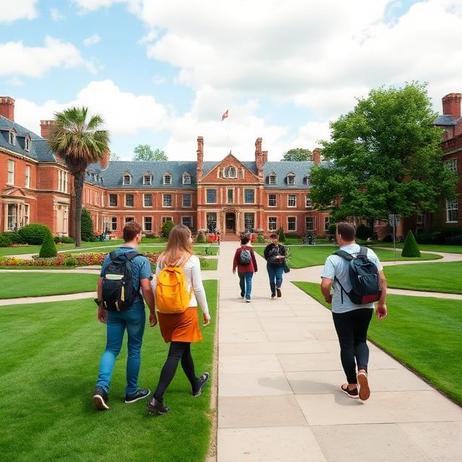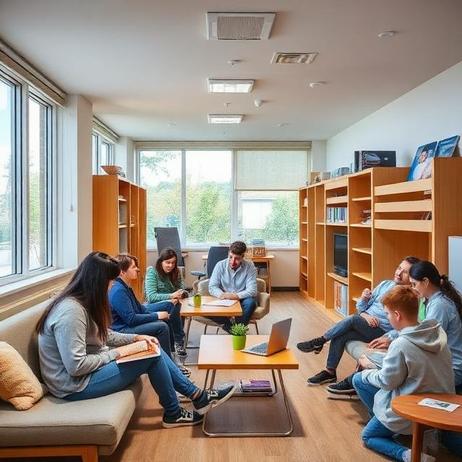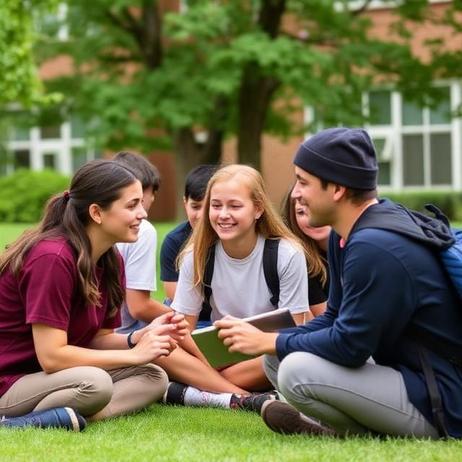
For many families, academics are the primary reason to consider a boarding school. Strong college preparation, small class sizes, and rigorous coursework often dominate the conversation. Yet one of the most significant benefits of a boarding school education extends far beyond the classroom.
Boarding schools teach life skills every day.
Living away from home requires students to manage responsibilities, navigate relationships, make decisions independently, and contribute to a residential community. These experiences help students develop qualities that colleges and employers increasingly value: self-reliance, leadership, accountability, resilience, and emotional maturity.
In 2026, these skills are arguably more important than ever. As universities and employers place greater emphasis on adaptability, collaboration, and problem-solving, boarding schools continue to provide a unique environment where students practice these competencies daily rather than learning them only in theory.
Why Life Skills Matter More Than Ever
The modern educational landscape has evolved significantly. Academic achievement remains important, but success increasingly depends on skills that cannot be measured solely by grades or standardized test scores.
Students entering college today face new challenges, including greater independence, increased digital distractions, and growing expectations around collaboration and leadership. According to the National Association of Independent Schools, schools are placing increased emphasis on developing the whole student, including character, interpersonal skills, and social-emotional growth.
Boarding schools are particularly well-positioned to support this development because learning continues after classes end. Residential life creates an immersive environment where students consistently practice real-world responsibilities.
As discussed in Boarding School Review's article