Updated
|
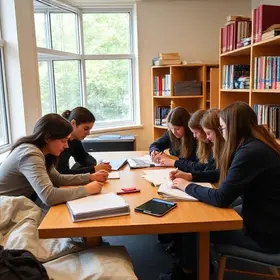
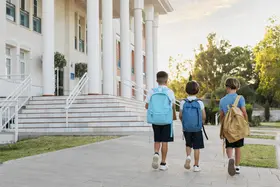
Daily Life in a Modern Boarding School Schedule
Explore a 24-hour breakdown of daily life in a modern boarding school, from classes to dorm life, activities, and student routines.

Understanding daily life in a modern boarding school is essential for families considering this educational path. While academics remain central, today’s boarding schools offer a carefully structured, holistic environment that balances learning, wellness, extracurricular engagement, and personal development.

This 24-hour schedule breakdown provides a realistic, up-to-date look at how students spend their time in 2026. Although specific routines vary by institution, most boarding schools follow a similar rhythm designed to promote independence, discipline, and community.

Why Structure Matters in Boarding School Life

A defining feature of daily life in a modern boarding school is its intentional structure. Research consistently shows that structured environments support adolescent development, improving time management and emotional well-being. The American Academy of Pediatrics highlights the importance of consistent routines for teenagers, particularly in supporting sleep and academic performance.

Boarding schools build this structure into every aspect of the day, blending academic rigor with supervised independence.

A Typical 24-Hour Boarding School Schedule

Below is a general overview of how a student’s day unfolds.

6:30–7:30 AM: Wake-Up and Morning Routine

Most boarding schools begin the day early. Dorm parents or residential advisors ensure students are awake and preparing for the day.

Morning routines typically include:

  • Personal hygiene and dressing
  • Light room organization
  • Optional morning exercise or meditation

Some schools have introduced wellness blocks in 2026, incorporating mindfulness or light fitness to support mental health before classes begin.

7:30–8:15 AM: Breakfast and Community Time

Breakfast is usually served in a central dining hall. This

. . .read more

Boarding School for Troubled Teens: What Works

Updated
|
Boarding School for Troubled Teens: What Works
Learn what works and what doesn’t in a boarding school for troubled teens, including therapies, outcomes, and red flags for families.

Choosing a boarding school for troubled teens is one of the most complex and emotionally charged decisions a family can face. Parents are often navigating behavioral issues, academic struggles, or mental health concerns while trying to identify an environment that offers both structure and support.

In 2026, the landscape of therapeutic and behavior-focused boarding schools has evolved significantly. Increased oversight, growing awareness of student rights, and advancements in adolescent psychology have reshaped what effective programs look like. Yet, not all schools deliver on their promises.

This guide examines what truly works in a boarding school for troubled teens, what does not, and how families can make informed, responsible decisions.

Understanding the Role of a Boarding School for Troubled Teens

A boarding school for troubled teens typically serves students facing challenges such as:

  • Persistent behavioral issues
  • Academic underperformance or disengagement
  • Substance use concerns
  • Anxiety, depression, or emotional regulation difficulties
  • Family conflict or instability

These schools differ from traditional boarding schools by integrating therapeutic interventions into daily life. The goal is not only academic progress but also personal growth, emotional stability, and long-term resilience.

However, outcomes vary widely depending on program quality, staff expertise, and institutional philosophy.

What Works: Evidence-Based Approaches and Best Practices

1. Licensed, Integrated Mental Health Support

Programs that employ licensed therapists and integrate therapy into the daily schedule consistently produce better outcomes.

Effective models include:

  • Cognitive Behavioral Therapy (CBT)
  • Dialectical Behavior Therapy (DBT)
  • Family systems therapy

According to the Substance Abuse and

. . .read more

Campus Safety Technology in Residential Schools

Updated
|
Campus Safety Technology in Residential Schools
Learn how campus safety technology in residential schools protects students and enhances boarding school security in 2026.

Campus safety technology in residential schools has become a central consideration for families evaluating boarding school options. In 2026, boarding schools are investing in increasingly sophisticated systems designed to protect students while maintaining a supportive and community-oriented environment. Because these schools operate as full-time residential settings, safety extends beyond classroom hours to include dormitories, dining facilities, and campus-wide activities.

For parents and students, understanding how safety technology functions within a boarding school context offers important insight into both risk management and student well-being. The most effective schools integrate technology with human oversight, ensuring that safety measures enhance, rather than disrupt, daily life.

Why Campus Safety Technology Matters in Boarding Schools

Residential schools face unique safety responsibilities. Students live on campus, often far from home, and rely on the institution for continuous supervision and support.

This requires schools to address:

  • Physical campus security
  • Student accountability and attendance
  • Emergency preparedness
  • Digital safety and communication systems

According to the U.S. Department of Homeland Security, layered security approaches that combine technology with trained personnel are the most effective in educational settings.

Boarding schools are particularly well-suited to implement these models because they control both the physical environment and the daily routines of students.

Core Types of Campus Safety Technology

Modern boarding schools typically deploy a range of technologies designed to address different aspects of campus safety.

1. Access Control Systems

Access control is one of the most visible forms of campus safety technology in residential schools. These systems regulate who can enter specific

. . .read more

Boarding School Sustainability and Green Campus Planning

Updated
|
Boarding School Sustainability and Green Campus Planning
Explore boarding school sustainability initiatives and green campus planning, shaping eco-conscious education in 2026.

Boarding school sustainability initiatives and green campus planning are becoming central to how institutions design their campuses, deliver education, and prepare students for a changing world. As environmental concerns continue to shape global priorities in 2026, many boarding schools are aligning their operations and curricula with sustainability goals.

Unlike day schools, boarding schools operate as fully residential communities. This creates both challenges and opportunities. Energy use, food systems, transportation, and building design must all be managed on campus, but these same systems can serve as living laboratories for sustainability education.

For families evaluating boarding school options, understanding how schools approach environmental responsibility offers insight into both campus culture and long-term institutional values.

Why Sustainability Matters in Boarding Schools

Sustainability in education is no longer limited to classroom discussions about climate science. It increasingly involves operational decisions and campus-wide commitments.

Boarding schools are uniquely positioned to lead in this area because they manage:

  • Housing and dining services
  • Extensive physical campuses
  • Year-round resource consumption
  • Student behavior and community norms

According to the U.S. Environmental Protection Agency, schools that adopt sustainable practices can significantly reduce energy consumption and operational costs while improving student health and engagement.

In a residential setting, these benefits are amplified. Students see the direct impact of sustainability practices on their daily lives, from energy use in dormitories to food sourcing in dining halls.

Core Elements of Green Campus Planning

Green campus planning involves a comprehensive approach to designing and managing school environments with environmental impact in mind. Leading

. . .read more

Residential Curriculum and Leadership Development in Boarding Schools

Updated
|
Residential Curriculum and Leadership Development in Boarding Schools
Explore how a residential curriculum supports leadership development beyond academics in modern boarding schools.

A well-designed residential curriculum plays a central role in leadership development beyond academics, particularly in boarding school environments. While rigorous coursework remains a defining feature of these institutions, the most meaningful growth often occurs outside the classroom. Boarding schools are uniquely structured to integrate academic learning with daily living, creating continuous opportunities for students to develop leadership skills, independence, and interpersonal awareness.

As families evaluate educational options in 2026, there is growing recognition that success in college and careers depends on more than grades and test scores. Skills such as collaboration, ethical decision-making, and resilience are increasingly prioritized by universities and employers alike. Boarding schools, through their residential curricula, are intentionally designed to cultivate these competencies.

This article examines how residential life programs support leadership development beyond academics, what families should look for, and how these experiences prepare students for long-term success.

What Is a Residential Curriculum?

A residential curriculum refers to the structured framework that guides student life outside the classroom in a boarding school setting. Unlike informal dorm supervision, modern residential programs are intentional, outcomes-based, and aligned with a school’s broader educational mission.

These programs typically include:

  • Leadership opportunities within dormitories
  • Social and emotional learning initiatives
  • Community standards and accountability systems
  • Programming focused on wellness, diversity, and inclusion
  • Faculty mentorship integrated into residential life

In many leading boarding schools, residential curriculum design has evolved significantly over the past decade. Influenced by research from organizations such as the American College Personnel Association, schools are adopting models similar to university residential education

. . .read more

Recent Articles

How to Read a School's Strategic Plan Before You Apply
Learn how to evaluate a boarding school's strategic plan and uncover insights about leadership, finances, priorities, and long-term stability.
The Dorm Parent Interview: 15 Questions Families Should Ask
Discover 15 important questions to ask dorm parents before choosing a boarding school and learn how residential life shapes the student experience.
What Happens if a Boarding School Closes or Merges? Parent Guide
Learn how to prepare if a boarding school closes or merges, including transfer planning, financial considerations, and protecting your child's education.