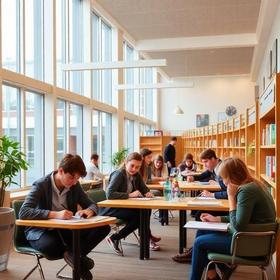
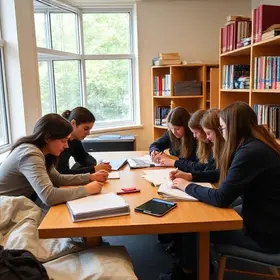
Boarding school residential life models play a central role in shaping the student experience, often defining how young people grow academically, socially, and personally. While families frequently focus on academics and college placement, the structure of residential life deserves equal attention. The way students live, interact, and receive guidance outside the classroom can significantly influence their independence, well-being, and long-term success.
At its core, a boarding school is not simply about where students sleep. It is an immersive environment where supervision structures and mentorship systems create a continuous learning experience. As highlighted in foundational discussions of boarding education, the residential setting itself becomes an extension of the classroom, fostering responsibility, resilience, and community engagement.
Understanding how different schools design their residential programs helps families make informed decisions and align expectations with their child’s needs.
What Are Boarding School Residential Life Models?
Residential life models refer to how a boarding school organizes student housing, supervision, and daily living structures. These models determine:
- Where and how students live
- Who supervises them
- How support systems are delivered
- The level of independence students experience
Families beginning their search may also benefit from reviewing broader guidance on choosing a school environment at https://www.boardingschoolreview.com/blog/why-boarding-school.
Common Residential Life Models
| Model | Description | Best Fit For |
|---|---|---|
| Traditional Dormitory | Large dorms with multiple students per floor and shared spaces | Students who enjoy social, active environments |
| House System | Smaller, family-style houses with mixed ages | Students seeking close-knit communities |
| Faculty-in-Residence | Teachers live in dorms and supervise daily life | Students who benefit from strong adult mentorship |
| Prefect or Student Leadership Model | Senior students help oversee younger peers | Students who thrive with peer leadership |
| Hybrid Models | A combination of dorms, houses, and advisory systems | Students wanting a balance between independence and support |
Each structure reflects a school’s philosophy about independence, accountability, and community.
Supervision Structures in Boarding Schools
Supervision is one of the most important aspects of residential life, and modern boarding schools have evolved significantly in this area. The goal is not strict oversight alone, but a balanced system that promotes safety while encouraging personal growth.
Faculty Presence and Accessibility
Most boarding schools require faculty members to live on campus or in student residences. This creates a unique environment where teachers are available beyond classroom hours. Students may interact with faculty as:
- Dorm parents
- Advisors
- Coaches
- Academic mentors
This constant presence allows for early intervention when issues arise and fosters stronger relationships than those typically found in day schools.
Structured Daily Routines
Residential supervision often includes clearly defined schedules, particularly for younger students. These typically include:
- Mandatory study hours
- Curfews
- Check-ins and attendance tracking
- Organized evening and weekend activities
Older students usually receive increased flexibility, reflecting a gradual transition toward independence.
Technology and Well-Being Monitoring
In 2026, many schools are integrating digital tools into residential supervision. These include:
- App-based check-in systems
- Screen time guidelines
- Wellness monitoring programs
Recent guidance from the American Academy of Pediatrics supports structured digital use for adolescents in supervised environments.
Balancing Independence and Accountability
Effective supervision does not mean constant control. Instead, schools aim to create an environment where students learn to manage their time, make decisions, and understand consequences within a supportive framework.
Mentorship Systems: The Core of Residential Life
If supervision provides structure, mentorship provides meaning. Strong mentorship systems are often what distinguish exceptional boarding schools from average ones.
Advisory Programs
Most schools assign each student to a faculty advisor who serves as the primary point of contact. Advisors typically:
- Meet regularly with students
- Monitor academic progress
- Communicate with parents
- Provide emotional support
This relationship often lasts several years, allowing for continuity and a deeper understanding.
Peer Mentorship
Many schools incorporate peer leadership into their residential models. Older students may serve as:
- Prefects
- Dorm leaders
- Orientation mentors
This system encourages leadership development while giving younger students approachable role models.
Holistic Development Focus
Modern mentorship systems increasingly emphasize whole-child development. This includes:
- Emotional intelligence
- Conflict resolution
- Cultural awareness
- Leadership skills
Research from Harvard’s Center on the Developing Child highlights the importance of sustained adult relationships in adolescent development.
Comparing Residential Life Approaches
Not all boarding schools approach residential life in the same way. The differences often reflect institutional priorities.
Traditional vs Progressive Models
| Feature | Traditional Approach | Progressive Approach |
|---|---|---|
| Structure | Highly structured schedules | Flexible, student-driven routines |
| Supervision | Strong adult oversight | Shared responsibility with students |
| Mentorship | Faculty-led | A combination of faculty and peer systems |
| Independence | Gradual increase | Early emphasis on autonomy |
Families can explore how these differences align with student needs in resources such as https://www.boardingschoolreview.com/blog/boarding-schools-in-a-minute.
The Role of Community in Residential Life
One of the defining characteristics of boarding school residential life models is the emphasis on community. Living together creates opportunities for connection that extend beyond academics.
Shared Experiences
Students participate in:
- Meals together
- Dorm meetings
- Weekend activities
- School traditions
These shared experiences help build strong interpersonal bonds and a sense of belonging.
Diversity and Global Exposure
Many boarding schools actively recruit students from different regions and countries. This diversity enhances residential life by exposing students to varied perspectives and cultures.
The result is an environment where students learn not only from faculty but also from one another.
Safety and Student Support Systems
Safety remains a top priority for families evaluating boarding schools. Modern residential life models incorporate multiple layers of support.
Key Safety Components
24/7 adult supervision
- Clear behavioral policies
- Health and counseling services
- Emergency response protocols
Schools also increasingly emphasize mental health support. According to the National Association of Independent Schools, student wellness initiatives have expanded in recent years.
Counseling and Wellness Integration
Residential life now often includes:
- On-campus counselors
- Wellness programming
- Stress management workshops
These resources ensure that students have access to support when challenges arise.
How Residential Life Prepares Students for College
One of the most frequently cited benefits of boarding school is preparation for college and independent living. Residential life models play a direct role in this outcome.
Skills Developed Through Residential Living
Time management
- Personal responsibility
- Conflict resolution
- Self-advocacy
Students learn to balance academics, extracurriculars, and social life, skills that are essential for college success.
Real-World Decision Making
Living away from home requires students to make daily decisions about:
- How to use their time
- When to seek help
- How to manage relationships
These experiences contribute to increased maturity and confidence.
For additional perspective, families may review https://www.boardingschoolreview.com/blog/boarding-school-myths to better understand common misconceptions about residential life.
Choosing the Right Residential Model
Selecting a boarding school involves more than reviewing rankings or academic offerings. Families should evaluate residential life carefully.
Questions to Ask Schools
How are dorms structured?
- What is the student-to-faculty ratio in residences?
- How are advisors assigned?
- What role do students play in leadership?
- How does the school support mental health?
Matching the Model to the Student
Different students thrive in different environments:
- Highly structured models suit students who benefit from routine
- Flexible models work well for self-motivated learners
- Close-knit house systems support students seeking strong community
There is no single best model, only the best fit.
The Future of Boarding School Residential Life
Boarding school residential life models continue to evolve in response to changing educational priorities and student needs.
Emerging Trends in 2026
Increased focus on mental health and wellness
- Greater use of technology for communication and monitoring
- Expanded diversity and inclusion initiatives
- Integration of life skills and leadership training into residential programs
Institutions such as the U.S. Department of Education continue to emphasize whole-student development in secondary education environments.
Conclusion
Boarding school residential life models shape far more than daily routines. They influence how students develop independence, build relationships, and navigate challenges. Through carefully designed supervision structures and mentorship systems, boarding schools create environments where learning extends well beyond the classroom.
For families considering this educational path, understanding these models is essential. The right residential environment can provide not only academic support but also the foundation for lifelong personal growth. Evaluating boarding school residential life models closely ensures a more informed and confident decision.